
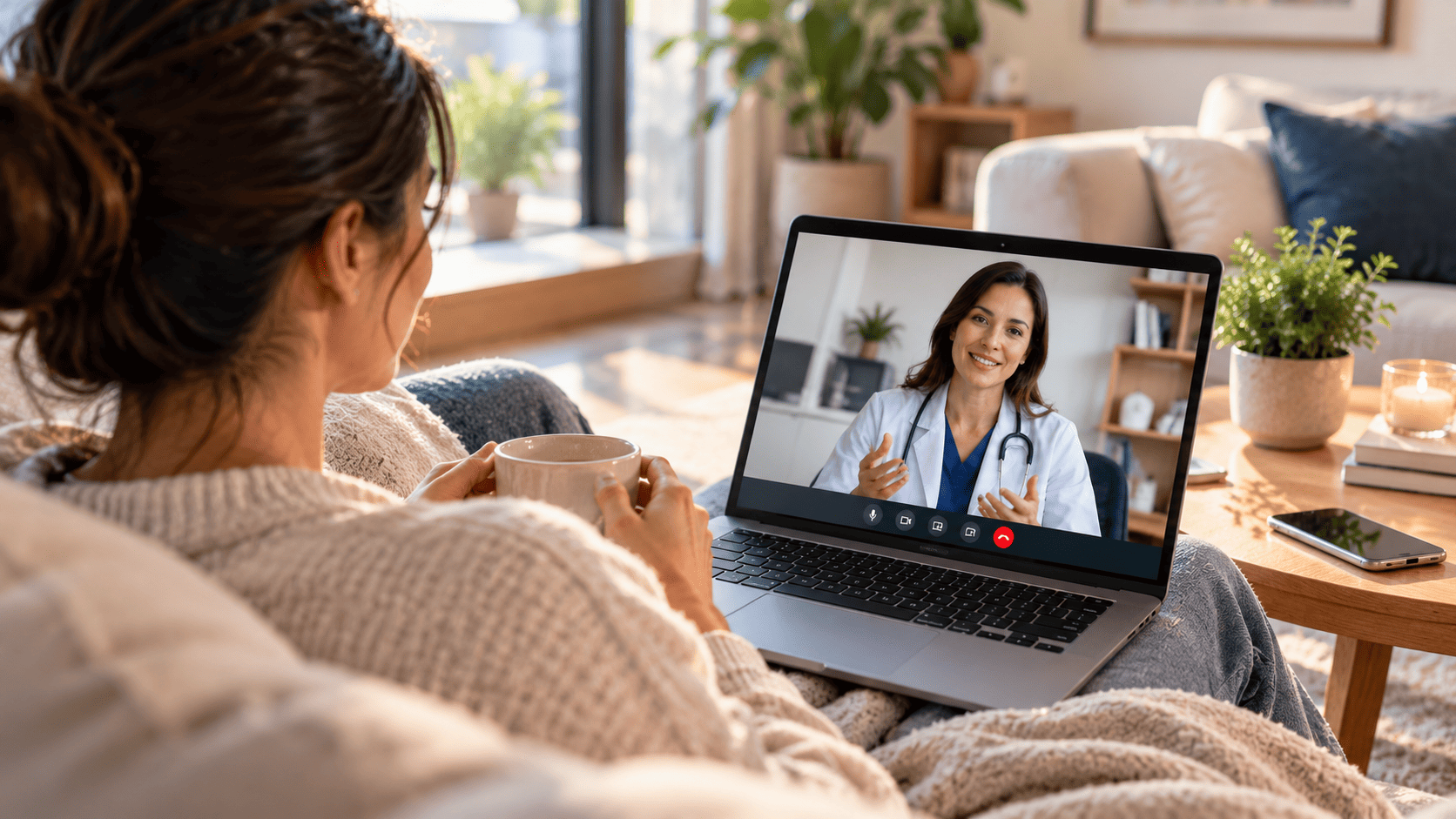
How Telehealth Creates Better Patient Experiences
Healthcare works better when patients feel heard.
Two people may have the same health concern, but that does not always mean they need the same treatment. Their age, medical history, daily routine, current medicines, symptoms, and personal goals can all affect the type of care that may work for them.
This is where telehealth can be useful.
With telehealth treatment online, patients can speak with healthcare professionals without making a trip to a clinic. A virtual visit can give the provider time to learn about the patient, review their health needs, and discuss suitable next steps.
The goal is not simply to make healthcare faster. Good telehealth should make care easier to access while still keeping the patient at the center of the conversation.
What Does Personalized Healthcare Mean?
Personalized care means looking at the person, not just the condition.
A doctor may consider your symptoms, health history, medicines, allergies, lifestyle, and other factors before suggesting a treatment plan.
For example, two people with the same general complaint may receive different advice because their health backgrounds are different.
This type of care can also involve patient preferences.
Some people may want to start with lifestyle changes. Others may need medication or further testing. A patient may also have concerns about cost, side effects, or how a treatment fits into daily life.
A good consultation gives patients space to discuss those concerns.
This is an important part of patient experience. The Agency for Healthcare Research and Quality notes that patients generally want timely access to care, clear information, respectful communication, and as little difficulty as possible when arranging and receiving healthcare. AHRQ
How Telehealth Can Make Care Feel More Personal
At first, online healthcare may sound less personal than sitting in a doctor's office.
In practice, the experience can still be very direct.
During an online doctor consultation from home, a patient can explain what they are experiencing in a familiar setting. They may also feel more comfortable asking questions they would normally avoid.
The provider can review symptoms, discuss health history, and ask follow-up questions.
The patient can then take part in the decision instead of simply receiving general advice.
That conversation matters.
Personalized healthcare is not created by a screen or an app. It comes from how well the provider listens, explains choices, and uses the patient's information to guide care.
Convenience Can Improve the Patient Experience
Getting medical care often involves more than the appointment itself.
Patients may need to drive to a clinic, find parking, take time off work, arrange childcare, or spend time in a waiting room.
Telehealth can reduce some of those barriers.
Research reviewed by AHRQ found that patients often viewed telehealth as a convenient way to access care, especially when travel to an appointment would otherwise be difficult. Effective Healthcare
An online doctor consultation in USA may allow a patient to attend a visit from home, work, or another private location.
That can be especially useful for people with busy schedules, limited transportation, or long travel times.
Some services may also offer a same day online doctor consultation when providers are available.
Others offer extended appointment hours. You may even see services advertising 24/7 online doctor consultation access or scheduling.
Availability varies, so patients should always check what a specific provider actually offers.
Online Care May Make It Easier to Talk About Sensitive Issues
Some health concerns are simply harder to discuss in person.
Sexual health, mental health, hair loss, weight concerns, and other private topics may feel uncomfortable in a traditional office setting.
A private online doctor consultation can make that conversation easier for some patients.
Someone seeking an online doctor consultation for men's health, for example, may feel more comfortable discussing a personal concern from home.
The same can apply to an online doctor consultation for women's health, where patients may want to talk privately about symptoms, medication, or other health needs.
Privacy alone does not make telehealth better than in-person care. But having another way to speak with a healthcare professional can give patients more choice.
And choice can improve the overall care experience.
Can Prescriptions Be Part of Telehealth Care?
Sometimes.
During an online doctor consultation for prescriptions, a provider can review the patient's health information and decide whether medication is appropriate.
The important point is that the prescription should follow the medical evaluation, not replace it.
A responsible provider may ask about current medicines, allergies, previous treatments, medical conditions, and other risks before making a decision.
In some situations, a prescription may not be suitable. The provider may instead recommend tests, follow-up care, or an in-person examination.
Rules for prescribing can also depend on the medicine and the patient's location. Healthcare providers must follow applicable federal and state requirements. telehealth.hhs.gov
Why Seeing a Licensed Provider Matters
Telehealth may happen online, but it is still healthcare.
Patients should know who is providing their care.
An online doctor consultation with licensed doctor services should connect patients with professionals who are legally allowed to provide care where the patient is located.
In the United States, telehealth licensing requirements can vary from one state to another. HHS explains that healthcare professionals generally need to meet the licensing rules that apply where the patient is located at the time of the visit. telehealth.hhs.gov
Before booking an appointment, it can help to check the provider's credentials and read how the service explains its medical process.
Good telehealth should be transparent about who provides the care and what patients can expect.
Privacy and Security Are Part of Good Online Care
Health conversations often include personal information.
That makes privacy an important part of the telehealth experience.
A secure online doctor consultation should use appropriate systems for handling patient information. Patients can also take simple steps to protect their privacy, such as using a private internet connection and choosing a quiet place where others cannot hear the conversation.
HHS notes that telehealth appointments and related health information are protected by privacy requirements that also apply to traditional healthcare settings. telehealth.hhs.gov
Patients should still be careful.
Before entering medical or payment details, check that you are dealing with a real healthcare service and that the website clearly explains its privacy practices.
Telehealth Can Also Make Costs Easier to Understand
Cost plays a major role in how patients experience healthcare.
Some people delay care because they are unsure what a visit will cost.
Many affordable telehealth services use clear self-pay pricing. That can make it easier for patients to understand the consultation fee before they book.
An online doctor consultation without insurance may also be available through some services.
However, patients should look beyond the initial visit price.
An affordable online doctor consultation may still involve extra costs for medicine, laboratory testing, follow-up visits, or specialist care.
Clear pricing helps patients make better decisions and reduces surprises later.
When Telehealth Is Not the Best Choice
Telehealth is useful, but it cannot handle every medical need.
Some symptoms require a physical examination, imaging, laboratory testing, or urgent treatment.
AHRQ's review of telehealth research found that virtual care may be less suitable for some complex conditions or situations where a physical exam is important. Effective Healthcare
A good online provider should recognize those limits.
If an in-person visit is needed, the provider should explain why and guide the patient toward the next step.
Telehealth should expand healthcare options, not try to replace every clinic or hospital visit.
What Makes a Good Telehealth Experience?
Technology is only one part of the experience.
Patients also want a provider who listens.
They want enough time to explain their concerns. They want clear answers and realistic expectations. They should understand what happens after the appointment and know when they need follow-up care.
Before a telehealth visit, HHS recommends preparing information such as current medicines, allergies, questions, and relevant health readings. Patients are also encouraged to ask questions and make sure they understand the provider's advice. telehealth.hhs.gov
These simple steps can make the visit more useful for both the patient and the provider.
Personalized Care Does Not Have to Be Complicated
One of the strengths of telehealth is that it can make routine healthcare feel simpler.
A patient can book a visit, share relevant information, speak with a healthcare professional, and discuss a care plan without spending hours traveling.
But convenience should not come at the cost of quality.
The best telehealth treatment online still depends on thoughtful medical care. Providers need enough information to understand the patient's situation, and patients need clear guidance about what to do next.
When both sides communicate well, the technology becomes almost invisible.
What matters is the conversation.
Final Thoughts
Telehealth has changed how many patients reach healthcare professionals, but its real value is not simply that appointments happen online.
The bigger benefit is flexibility.
Patients have another way to ask questions, discuss private concerns, review treatment options, and take part in decisions about their health.
For some people, an online doctor consultation USA service may save travel time. For others, privacy may be the biggest benefit. Some patients may value easier scheduling or the ability to receive care without insurance.
The experience will not be right for every condition or every person.
Still, when telehealth is used carefully, it can support a more patient-centered approach to care.
Personalized treatment starts with understanding the individual. Whether that conversation happens in a clinic or through a screen, patients should feel listened to, informed, and involved in what happens next.