
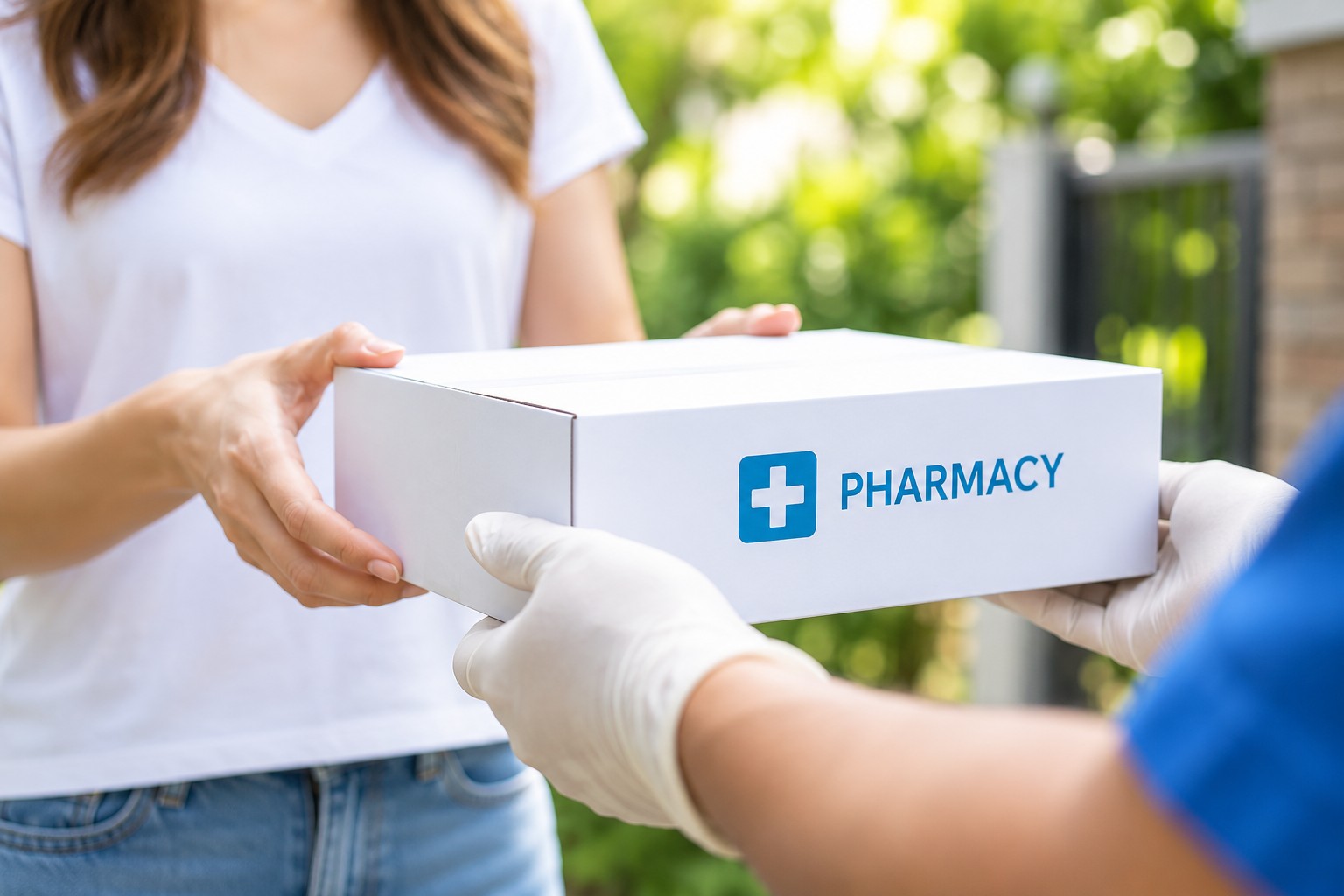
Discreet Home Delivery for Prescriptions: Privacy, Safety, and Convenience
Getting a prescription should not feel stressful. For many people, it already comes at a difficult time. You may be recovering from an injury, managing a long-term health condition, caring for a family member, or simply trying to fit one more task into a busy day.
That is where discreet home delivery for prescriptions can help.
It is not just about saving a trip to the pharmacy. It is about receiving your medication in a way that feels private, safe, and simple. For some patients, privacy is the biggest concern. For others, the main worry is timing, safe handling, or making sure the right person receives the package. These are fair questions.
A good prescription delivery service should protect your medication, your personal information, and your peace of mind. It should make care easier without making patients feel exposed or uncertain.
Why Discreet Delivery Matters
Most people do not want their health needs on display. A prescription may be personal. It may relate to pain management, mental health, injury recovery, a chronic condition, or another private matter. Even when there is nothing to hide, patients still deserve dignity.
Discreet delivery helps protect that dignity.
The package should not clearly show what medication is inside. It should not reveal sensitive health details to neighbors, building staff, coworkers, or anyone else who may see it. The goal is simple: your medication arrives safely, without drawing attention.
Privacy is also part of good healthcare. In the U.S., the HIPAA Privacy Rule sets standards for protecting medical records and other personal health information handled by covered healthcare providers and related organizations. For prescription delivery, that means pharmacies should be careful with labels, delivery notes, tracking systems, and staff access to patient information.
Discreet delivery is not about secrecy. It is about respect.
What Safe Prescription Delivery Should Look Like
A safe delivery process starts before the medication leaves the pharmacy.
The pharmacy should confirm the prescription, check the patient details, prepare the medication correctly, and package it with care. If the medication has special storage needs, the packaging should match those needs. If the medication requires a signature or ID check, that should be handled clearly and professionally.
Patients should expect a process that feels organized, not rushed.
Safe prescription delivery may include:
- Clear patient and address verification
- Secure packaging
- Tamper-aware handling
- Delivery tracking
- Proper temperature control when needed
- Signature or ID confirmation for certain medications
- Instructions for storage after delivery
Not every prescription needs the same level of handling. A basic refill may be simple. A refrigerated medication may need extra care. A controlled or restricted medication may require stronger verification. The important thing is that the pharmacy understands the difference and follows the right process.
Protecting Medication Quality During Delivery
Medication quality matters. A prescription is not like a regular package. Heat, moisture, light, and delays can affect some medications. That is why delivery should be planned around the type of medicine being sent.
Some prescriptions may need to stay at room temperature. Others may need cold packaging. Some liquids, injections, eye drops, or specialty medications may have special storage instructions. Federal rules also recognize the importance of proper storage conditions, including temperature and humidity records for prescription drug handling.
Once the medication arrives, the patient has a role too.
Check the package. Make sure it is not damaged, opened, wet, overheated, or left in an unsafe place. Read the label and storage instructions. If the medication should be refrigerated, place it in the refrigerator right away. If anything looks wrong, call the pharmacy before taking the medication.
The FDA also notes that proper storage helps medicines remain safe and effective up to their expiration date. It advises keeping medicine away from heat, moisture, and changing conditions such as those near sinks or hot appliances.
Small steps can prevent big problems.
Privacy Beyond the Package
Discreet packaging is important, but privacy does not stop there.
A responsible pharmacy should also protect patient information during calls, texts, emails, delivery updates, and billing. Delivery staff should only receive the information they need to complete the delivery. Tracking links and messages should be secure. Delivery records should be handled carefully.
For many patients, this matters as much as the medication itself.
Imagine a person receiving a sensitive prescription at an apartment building. The wrong packaging, careless labeling, or loud delivery comment could create embarrassment. A professional service avoids that. The driver does not need to discuss the medication in public. The package should not advertise what is inside. The process should feel quiet and respectful.
That is what discreet care looks like in real life.
Convenience Without Losing Control
Prescription delivery is convenient because it removes extra steps. You do not have to travel, wait in line, arrange transportation, or leave work early. This can be especially helpful for elderly patients, people with limited mobility, busy parents, injury patients, and anyone managing repeat refills.
But convenience should not mean losing control.
Patients should still know when the prescription is being prepared, when it is out for delivery, and when it has arrived. A good delivery service gives clear updates. It should also explain what happens if no one is home, if the delivery is missed, or if a signature is required.
Good communication reduces worry.
It also helps patients plan. If you know your medication is coming between certain hours, you can make sure someone trusted is available. If you are receiving medication for a family member, you can prepare their ID or authorization if needed.
Convenience works best when it is predictable.
Choosing a Reliable Prescription Delivery Service
Not every online or delivery-based pharmacy is equal. Patients should be careful when choosing where to order prescription medicine.
The FDA warns that unsafe online sellers may pretend to be legitimate pharmacies, and it encourages patients to use licensed pharmacies when buying prescription medicines online. The FDA also recommends checking a pharmacy’s license through the state board of pharmacy database when using an online pharmacy.
Before using a delivery service, it is fair to ask a few simple questions:
- Is the pharmacy licensed?
- How is my information protected?
- Will the package be discreet?
- How are temperature-sensitive medications handled?
- Can I track the delivery?
- What happens if I miss the delivery?
- Do some medications require ID or signature?
- Can I speak with a pharmacist if I have questions?
A professional pharmacy will not mind these questions. In fact, it should welcome them.
Your Role as the Patient
Even with a strong pharmacy process, patients still play an important part.
Make sure your address and phone number are correct. Be available during the delivery window. If someone else is receiving the package, confirm that they are allowed to do so. After delivery, check the name, medication, strength, directions, and quantity on the label.
Do not take the medicine if the package looks damaged or the label seems wrong. Call the pharmacy first.
Also, store the medication as directed. Do not leave it in a car, near a window, in a hot kitchen, or in a humid bathroom unless the label says that location is suitable. Keep medications away from children and pets.
These simple habits help keep prescription delivery safe from start to finish.
When Discreet Delivery Is Especially Helpful
Discreet home delivery can be useful for many situations, including:
- Ongoing monthly refills
- Injury recovery prescriptions
- Post-surgery medications
- Chronic condition management
- Mental health prescriptions
- Medications for elderly patients
- Mobility-limited patients
- Busy work schedules
- Patients who prefer privacy
- Families managing care for loved ones
For some people, delivery is a comfort. For others, it is a necessity. Either way, the service should feel professional, private, and dependable.
A Better Way to Receive Care
Prescription delivery is at its best when it combines three things: privacy, safety, and convenience.
Privacy means your health information is treated with respect. Safety means your medication is prepared, handled, and delivered with care. Convenience means the process saves time without creating confusion.
Patients should not have to choose between comfort and caution. A good pharmacy delivery service gives both.
Discreet home delivery can make medication access easier for people who need support, privacy, or a simpler routine. It can reduce travel, protect personal information, and help patients stay on track with their care.
The most important thing is choosing a service that takes the responsibility seriously.
Because prescription delivery is not just about bringing medicine to a door. It is about bringing care to the patient in a way that feels safe, respectful, and reliable.