
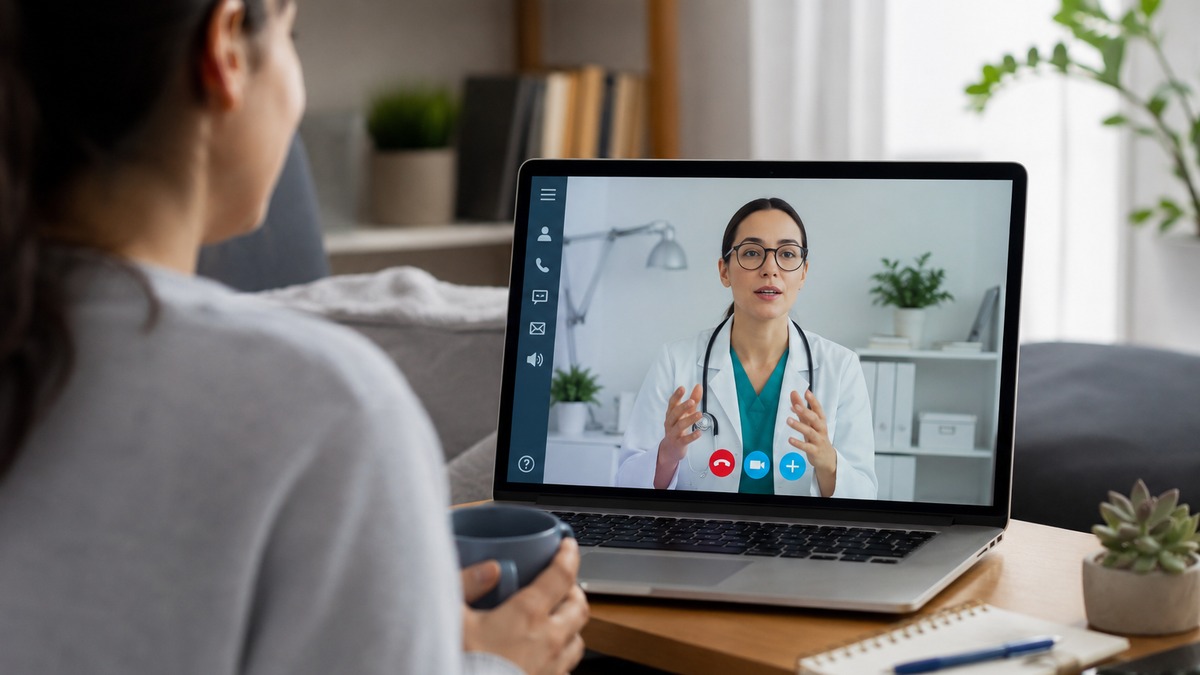
Telehealth Treatment Online: A Smarter Way to Get Care from Home
Getting medical care used to mean planning your day around an appointment. You had to travel to a clinic, sit in a waiting room, and sometimes take time away from work, school, or family. For many people, this made healthcare feel harder than it needed to be.
Telehealth has changed that.
With telehealth treatment online, patients can connect with healthcare providers from home. They can ask questions, discuss symptoms, receive guidance, and, when appropriate, get treatment without visiting a clinic in person.
This does not mean telehealth replaces every type of medical care. Some health concerns still need physical exams, lab tests, or emergency care. But for many common needs, telehealth can be a smart and simple way to get support.
It offers comfort, privacy, and better access. It also helps patients take care of their health without adding extra stress to their routine.
What Is Telehealth Treatment Online?
Telehealth treatment online means using digital tools to receive medical care. This may happen through a video call, phone call, secure message, or online health form.
A patient can share symptoms, health history, current medications, and concerns with a licensed provider. The provider then reviews the information and decides what care is suitable.
In some cases, the provider may offer advice. In other cases, they may prescribe medicine, suggest lifestyle steps, recommend follow-up care, or refer the patient for in-person treatment.
Telehealth is used for many types of care. This may include general health questions, skin concerns, allergies, hair loss, sexual health, mental wellness, weight care, and medication follow-ups.
The goal is not to make healthcare feel rushed. The goal is to make it easier to reach care when it is safe to do so.
Why More Patients Are Choosing Telehealth
Many people choose telehealth because it fits better into daily life. A person may not always have time to drive to a clinic, wait for an appointment, and travel back home. Telehealth can remove much of that extra time.
It can also help people who live far from medical offices. In rural areas or smaller towns, patients may have fewer local options. Online care can give them access to providers without a long trip.
For others, privacy is the main reason. Some health concerns feel personal. A patient may feel more comfortable discussing them from home instead of at a clinic front desk or waiting room.
Telehealth can also be helpful for people who feel anxious in public spaces or medical settings. Being at home can make it easier to speak openly.
When healthcare feels easier to access, patients may be more likely to ask for help sooner.
Comfort Makes a Difference
One of the biggest benefits of telehealth is comfort. Patients can attend an appointment from a place where they feel safe and relaxed.
This can make conversations easier. A patient may feel more open when they are sitting in their own room instead of a busy clinic. They may also feel less rushed.
Comfort does not mean the care is less serious. A good telehealth visit still includes questions, review, and medical judgment. The provider still needs to understand the patient’s symptoms and health background.
But comfort can improve the experience. When patients feel at ease, they may explain their concerns more clearly. They may also ask more questions.
That can lead to better communication and better care.
Telehealth Can Save Time
Time is one of the biggest barriers to healthcare. Many people delay care because they are busy. They may have work, childcare, school, transportation issues, or other responsibilities.
Telehealth can make care easier to fit into the day.
Instead of driving to an office, patients can connect from home, work, or another private place. They do not have to spend time in traffic or waiting rooms. This can be especially helpful for follow-up visits or simple health concerns.
For some patients, telehealth may also make it easier to keep regular appointments. This matters because ongoing care often works best when patients stay consistent.
Saving time is not just about convenience. It can help patients stay more involved in their health.
Privacy and Discretion
Healthcare is personal. Some topics are not easy to discuss in public. Telehealth can offer a more private way to get support.
Patients can choose where they want to have the visit. A quiet room, home office, or private space can help protect the conversation. Headphones can also make the visit more private if other people are nearby.
Telehealth may be especially useful for concerns such as sexual health, hair loss, skincare, mental wellness, or other personal topics.
A trusted telehealth service should also protect patient information. This may include secure forms, protected accounts, private messaging, and clear privacy policies.
Patients should also take simple steps on their side. They should avoid public Wi-Fi when possible, use a personal device, and keep their phone or computer locked.
Privacy works best when both the provider and patient are careful.
Licensed Providers Still Matter
Telehealth may happen online, but it should still involve real medical care. Licensed providers are important because they know how to review symptoms, risks, medications, and treatment options.
A responsible provider will not approve every request automatically. They will ask questions and decide whether online treatment is safe.
Sometimes, the provider may say that telehealth is not enough. They may suggest an in-person visit, lab work, or urgent care. This is not a failure. It is part of safe medical practice.
Patients should look for telehealth services that explain who provides the care. The service should be clear about licensed providers, medical review, privacy, prescriptions, and follow-up support.
Good online care should feel easy, but it should not feel careless.
What Happens During a Telehealth Visit?
A telehealth visit usually starts with basic information. The patient may share their name, contact details, health concern, symptoms, and medical history.
They may also be asked about allergies, current medications, past conditions, and treatment goals. These questions help the provider understand what is safe.
Depending on the concern, the visit may include a video call, phone call, chat, or online questionnaire. For skin concerns, the provider may ask for photos. For certain treatments, they may ask more detailed health questions.
After review, the provider may give advice, recommend medicine, suggest tests, or explain next steps.
Patients should be honest when answering questions. Missing details can lead to unsafe choices. Even small details, such as another medication or past reaction, can matter.
Online Prescriptions and Treatment Plans
In some cases, a telehealth provider may prescribe medicine. This only happens when the provider decides it is safe and appropriate.
A good treatment plan should be clear. The patient should understand what the medicine is for, how to take it, how often to use it, and what side effects may happen.
Patients should also know when to contact the provider. If symptoms get worse or side effects appear, they should not ignore them.
Online prescriptions should come from licensed providers and be filled through trusted pharmacies. Patients should be careful with websites that offer prescription medicine without proper review.
Safe treatment is not just about getting medicine. It is about getting the right medicine for the right reason.
Telehealth for Common Health Needs
Telehealth can support many common health concerns. It may help with simple medical questions, follow-up care, prescription refills, and ongoing treatment.
Some patients use telehealth for skin care concerns, such as acne or irritation. Others may use it for hair loss, allergies, sexual health, or wellness support.
It can also be useful for mental health care. Talking to a provider from home may feel less stressful for people dealing with anxiety, depression, grief, or other emotional concerns.
Still, every patient is different. Telehealth may be suitable for one person but not another. The provider should decide based on the patient’s symptoms, history, and needs.
When Telehealth Is Not Enough
Telehealth is helpful, but it has limits. Some symptoms need immediate in-person care.
Patients should seek urgent help for chest pain, trouble breathing, sudden weakness, severe allergic reaction, heavy bleeding, serious injury, severe pain, or thoughts of self-harm.
Some conditions also need a physical exam, lab test, imaging, or close monitoring. If a provider recommends in-person care, patients should take that advice seriously.
Telehealth works best when it is used for the right situations. A good provider will know when online care is enough and when another type of care is needed.
Reliable Delivery Can Make Care Easier
When treatment is prescribed, delivery can make the process more convenient. Patients may receive medication at home instead of going to a pharmacy.
This can be helpful for people with busy schedules, limited transportation, or privacy concerns.
Reliable delivery should be clear and safe. Patients should know when the package will arrive. The medication should be labeled properly and include instructions.
If the package is damaged, delayed, or different from what was expected, the patient should contact the pharmacy or provider before using it.
Delivery is part of the care experience. It should be handled with care and responsibility.
Follow-Up Care Is Important
Good care does not always end after the first online visit. Some health concerns need follow-up. The provider may want to know if the treatment is working, if symptoms have changed, or if side effects are happening.
Follow-up care helps patients stay safe. It also gives them a chance to ask questions after starting treatment.
Sometimes the provider may adjust the plan. They may change the dose, suggest another medicine, or recommend an in-person visit.
Patients should not feel that they are on their own after an online appointment. A trusted telehealth service should offer clear ways to get support.
How Patients Can Prepare for a Telehealth Visit
A little preparation can make a telehealth visit better.
Patients should choose a private place with good internet. They should keep their phone or computer charged. If the visit includes video, they should test the camera and microphone before the appointment.
It helps to write down symptoms, questions, current medications, allergies, and past health problems. This makes it easier to share complete information.
Patients should also keep any medicine bottles nearby if they are discussing prescriptions. This can help avoid mistakes with names or doses.
Being prepared helps the provider understand the situation and give better guidance.
Choosing a Trustworthy Telehealth Service
Before using a telehealth service, patients should look for signs of trust. The website should explain how care works, who reviews medical information, and how prescriptions are handled.
It should also have a privacy policy, clear pricing, secure forms, and support options.
Patients should be careful with services that promise instant approval or do not ask health questions. Real healthcare requires review.
A good telehealth service should make patients feel informed, not pressured. It should explain the process clearly and give patients a way to ask questions.
Final Thoughts
Telehealth treatment online is a smarter way for many people to get care from home. It can save time, protect privacy, and make healthcare easier to access.
It is especially helpful for common concerns, follow-up visits, private health topics, and patients who want a more flexible care option.
But telehealth should still be safe and responsible. Licensed providers, clear instructions, privacy protection, reliable delivery, and follow-up support all matter.
The best telehealth care gives patients both convenience and confidence. It helps them ask for support sooner, understand their treatment, and manage their health with less stress.
Getting care from home should feel simple. It should also feel safe, respectful, and clear.