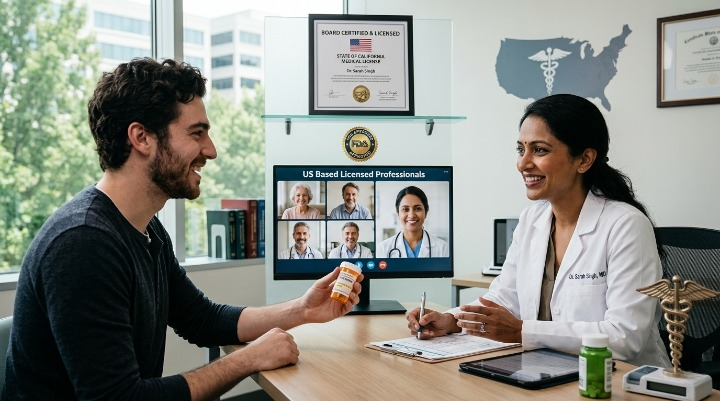
US Based Licensed Medical Professionals: Why It Matters in Telemedicine
Telemedicine has changed the way people access healthcare. What once required waiting rooms, travel, and appointments weeks in advance can now happen from the comfort of your home. A quick video call or message can connect you with a doctor in minutes.
It sounds simple and in many ways, it is.
But as telemedicine becomes more common, one question matters more than ever:
Who is on the other side of that screen?
This is where US-based licensed medical professionals make a real difference. Their training, licensing, and accountability play a major role in the quality, safety, and reliability of care you receive online.
Let’s take a closer look at why that matters not just for your health, but for your overall experience with telemedicine.
The Rise of Telemedicine
Over the past few years, telemedicine has gone from being a convenient option to an essential part of healthcare.
People now use it for everything from routine check-ups to managing long-term conditions. It has made healthcare more accessible, especially for those who live far from clinics or have busy schedules.
Instead of rearranging your day to see a doctor, you can now speak with one during a break, from your home, or even while traveling.
But while convenience is one of telemedicine’s biggest strengths, it also makes it easier to overlook something important the qualifications of the provider.
What Does “US-Based Licensed” Actually Mean?
When a medical professional is licensed in the United States, it means they have met strict requirements set by medical boards.
This includes:
• Completing accredited medical education
• Passing licensing exams
• Meeting clinical training standards
• Following state-specific regulations
• Maintaining ongoing education
These requirements aren’t just formalities they are there to protect patients.
A licensed provider is held accountable to clear standards. If something goes wrong, there are systems in place to address it.
That level of accountability is what builds trust in the care you receive.
Why Licensing Matters in Telemedicine
When you visit a clinic in person, it’s easier to assume the doctor is qualified. There are systems, institutions, and environments that reinforce that trust.
Online, things feel different. The barrier to access is lower, and that can sometimes make it harder to know who you’re dealing with.
This is why working with US based licensed professionals matters.
It ensures that the care you receive meets recognized medical standards, even in a virtual setting.
1. Quality of Care You Can Rely On
Healthcare isn’t just about quick answers it’s about accurate, informed decisions.
Licensed professionals are trained to evaluate symptoms, ask the right questions, and consider your full medical history. Even through a screen, they know how to assess conditions properly and provide safe recommendations.
This level of care becomes especially important when dealing with ongoing health concerns or treatments that require monitoring.
With the right professional, telemedicine services doesn’t feel like a shortcut it feels like real care.
2. Patient Safety Comes First
patient Safety is one of the biggest concerns in any form of healthcare.
When you work with a licensed professional, you’re not just getting advice you’re receiving care that follows established guidelines.
They understand:
• Medication safety
• Proper diagnosis protocols
• When to refer you for in-person care
• How to manage risks
Without this level of expertise, small issues can be misunderstood or overlooked.
Licensed providers help reduce that risk and ensure your health is handled responsibly.
3. Legal Accountability and Protection
One of the biggest advantages of working with US based licensed professionals is accountability.
They are regulated by state medical boards and must follow strict rules. If they don’t, there are consequences.
This means:
• You are protected as a patient
• Your rights are recognized
• There is a system in place if something goes wrong
In contrast, unlicensed or overseas providers may not be held to the same standards, which can leave patients without clear protection.
4. Better Communication and Understanding
Healthcare is not just about diagnosis it’s also about communication.
US-based professionals are trained within a specific healthcare system. They understand local medical practices, common treatments, and patient expectations.
This makes conversations clearer and more relevant.
You don’t have to explain your environment, your healthcare access, or your concerns in detail they already understand the context.
This leads to more effective and meaningful care.
5. Consistency in Treatment Plans
One of the challenges in telemedicine is maintaining consistency.
When you work with licensed professionals, you’re more likely to receive structured, well thought out treatment plans.
These plans are based on clinical guidelines and are designed to evolve as your condition improves.
Instead of random advice or one-time suggestions, you get a plan that makes sense over time.
That consistency is what leads to real results.
6. Proper Use of Prescriptions
Prescriptions are a key part of many treatments, but they must be handled carefully.
US based licensed providers follow strict rules when prescribing medication. They consider your history, current symptoms, and potential risks before recommending anything.
This helps avoid:
• Incorrect dosages
• Unsafe combinations
• Unnecessary medications
It also ensures that prescriptions are legally valid and recognized by pharmacies.
7. Trust and Peace of Mind
At the end of the day, healthcare is personal.
You want to feel confident that the person advising you knows what they’re doing and has your best interests in mind.
Knowing that your provider is licensed in the US adds a layer of reassurance. It allows you to focus on your health instead of worrying about the quality of care.
That peace of mind is one of the biggest benefits of choosing the right professional.
The Risks of Unverified Providers
While telemedicine offers convenience, it has also opened the door to less reliable services.
Some platforms may connect patients with providers who:
• Are not properly licensed
• Operate outside regulatory systems
• Offer generic or low-quality advice
This can lead to misdiagnosis, ineffective treatments, or even harm.
That’s why it’s important to choose platforms that clearly state the qualifications of their providers.
How to Choose the Right Telemedicine Provider
If you’re using telemedicine, here are a few things to look for:
• Clear information about provider licensing
• Transparent credentials
• Verified reviews and feedback
• Follow-up care options
• Secure and professional communication
Taking a few minutes to check these details can make a big difference in your experience.
The Future of Telemedicine
Telemedicine is not just a trend it’s becoming a permanent part of healthcare.
As technology improves, more services will move online. But even as the format changes, one thing will remain the same:
The quality of care depends on the professional providing it.
No matter how advanced the platform becomes, the human expertise behind it will always matter.
Final Thoughts
Telemedicine has made healthcare more accessible, convenient, and flexible than ever before.
But convenience should never come at the cost of quality.
Choosing US based licensed medical professionals ensures that you receive care that is safe, reliable, and aligned with established standards. It adds trust, accountability, and structure to your healthcare experience.
When it comes to your health, who you trust matters just as much as how you access care.
And in telemedicine, that trust starts with choosing the right professional.